Five AI stories from the week of April 27–May 3, 2026 that actually mattered — what changed, why it matters, and where to read more.
In this issue
- Microsoft and OpenAI restructure partnership, drop exclusivity
- Pentagon clears 7 AI firms for classified networks, freezes out Anthropic
- Hyperscaler Q1 earnings: combined AI capex exceeds $130B in one quarter
- Anthropic in talks to raise at $900B valuation, surpassing OpenAI
- Meta business AI hits 10M conversations per week, powered by Muse Spark

Microsoft Blog
Microsoft and OpenAI restructure partnership, drop exclusivity
On April 27, Microsoft and OpenAI jointly announced that Microsoft’s license to OpenAI’s intellectual property is now non-exclusive, and OpenAI may sell its products through any cloud provider rather than Azure alone. Microsoft will stop paying a revenue share to OpenAI, while OpenAI’s payments to Microsoft continue through 2030 under a new cap; both companies also removed the clause requiring Microsoft to adjudicate whether OpenAI has reached AGI. For developers, the change means GPT-series models can now be accessed via AWS, Google Cloud, and other providers, ending Azure’s structural first-mover position in routing OpenAI workloads.
Nextgov/FCW
Pentagon clears 7 AI firms for classified networks, freezes out Anthropic
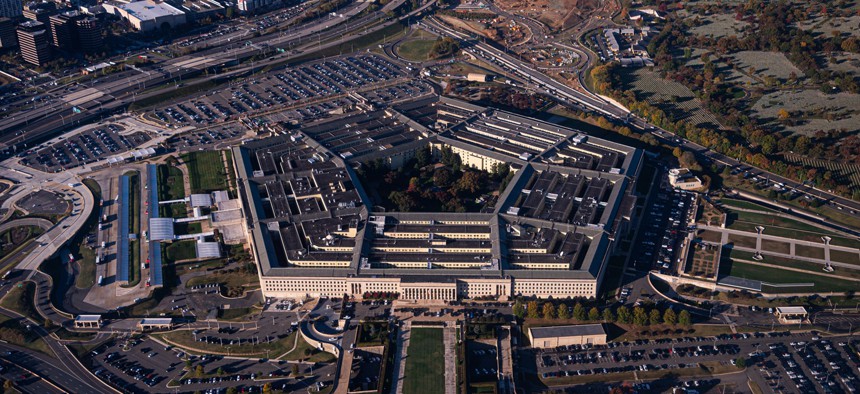
The Department of Defense announced on May 1 that Amazon Web Services, Google, Microsoft, OpenAI, SpaceX, NVIDIA, and Reflection AI have been cleared to deploy AI on Impact Level 6 and Impact Level 7 classified networks via the GenAI.mil platform; Oracle joined the list shortly after. Anthropic was excluded after the company refused to waive safeguards that would have permitted its models to be used for autonomous weapons and domestic mass surveillance—a dispute that had already produced a court injunction blocking the Pentagon from labeling Anthropic a supply-chain risk. The deals mark the first formal large-scale deployment of commercial frontier AI on U.S. classified military infrastructure and set a concrete precedent: acceptable-use constraints can disqualify a vendor from federal AI contracts.
Fortune
Hyperscaler Q1 earnings: combined AI capex exceeds $130B in one quarter
Alphabet, Microsoft, and Meta reported first-quarter 2026 results on April 29, collectively raising full-year capital expenditure guidance: Alphabet to $180–190 billion, Meta to $125–145 billion, and Microsoft guiding Q4 FY26 quarterly capex above $40 billion—part of an industry projection exceeding $700 billion in AI infrastructure spend for 2026, up roughly 70 percent from $410 billion in 2025. Google Cloud revenue hit $20 billion for the quarter, a 63 percent year-over-year increase, with Alphabet reporting that revenue from products built on its generative AI models grew nearly 800 percent year-over-year. The spending trajectory sets the medium-term outlook for GPU availability, data center capacity, and the unit economics of hosted AI inference.

CNBC
Anthropic in talks to raise at $900B valuation, surpassing OpenAI
CNBC reported on April 29 that Anthropic is in early discussions with investors about a new funding round at a valuation exceeding $900 billion, which would place it above OpenAI’s most recent $852 billion valuation. The discussions follow Amazon’s commitment of up to $25 billion (announced April 20) and Google’s commitment of up to $40 billion (announced April 24), both at valuations in the $350–380 billion range—meaning the implied valuation has more than doubled within weeks. No round has been formally announced; the CNBC report is based on people familiar with the talks, and terms could change.

TechCrunch
Meta business AI hits 10M conversations per week, powered by Muse Spark
Meta reported on April 30 that its business AI tools—currently offered free to small businesses and powered by the Muse Spark model from Meta Superintelligence Labs—now handle 10 million conversations per week, up from roughly 1 million at the start of 2026. The company also disclosed that more than 8 million advertisers are using at least one of its generative AI ad-creative tools, and CEO Mark Zuckerberg indicated monetization of the free tier is planned for later in the year. The 10× quarterly growth rate in enterprise AI conversations is a concrete adoption signal for practitioners evaluating when SMB AI tooling crosses from early adopter to mainstream.